Dr. Alyson Leo gives back to hometown with patient care
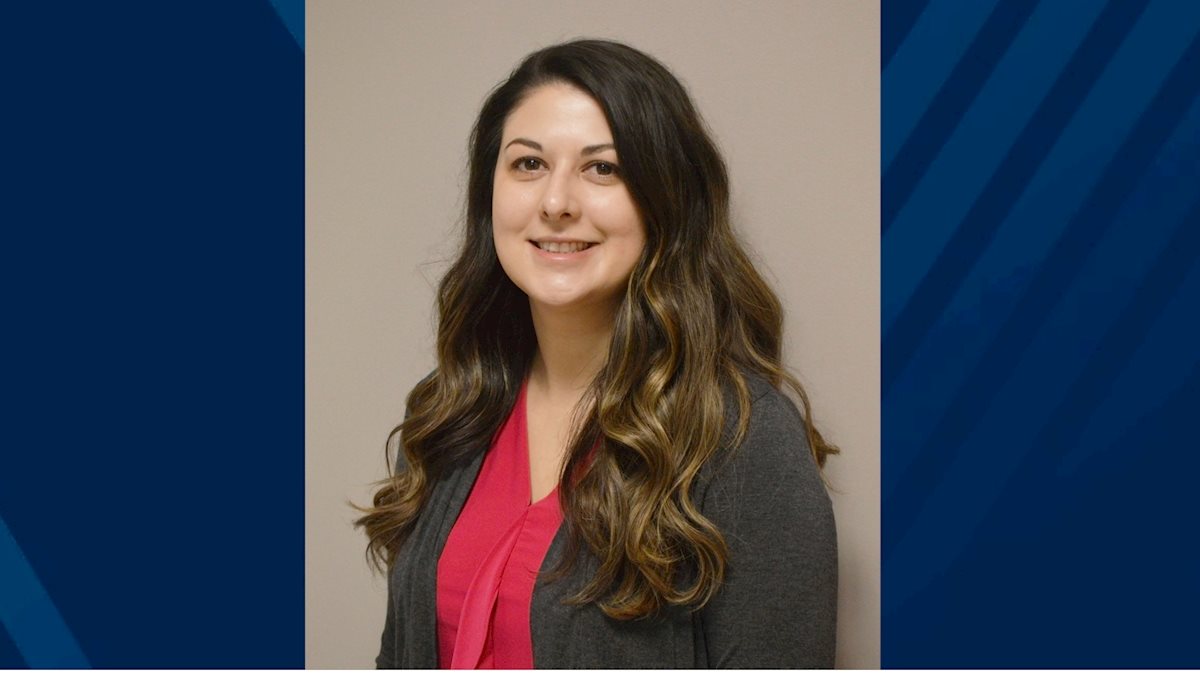
Old-fashioned primary care is alive and well in Elkins, thanks in part to Dr. Alyson Leo. While a student at WVU School of Medicine, the Institute for Community and Rural Health’s programs pinpointed her passion to practicing medicine in her hometown—and now she’s giving back.
Dr. Leo practices at WVU Medicine Elkins Corridor Medical Center, a new facility that offers the community everything from primary care doctors to specialists and imaging. She also mentors health professions students in the Institute’s programs, helping shape providers who one day might follow in her footsteps.
“I get to remind students that in rural, hometown medicine, you know patients personally and can take better care of them because of that,” Dr. Leo says. “It helps me be a better doctor to them. It’s really personalized.”
When students shadow Dr. Leo, she demonstrates the skills and benefits of rural medicine that they don’t see through their formal education.
“They’re so excited to see what it’s like here: home visits, nursing home care, visits in the clinic,” Dr. Leo says. “Students get to see the true old fashioned primary care where doctors take care of you throughout your whole life.”
The rural healthcare track students benefit from early exposure to the daily life of a small- town doctor, ideally leading to more of them choosing a similar career path. Dr. Leo remembers the impact the programs had on her.
“Morgantown has a completely different demographic than most of rural West Virginia,” she says, plus the programs were “good to remind myself of the difference between academic and rural medicine.”
ICRH programs not only enable students to learn about rural healthcare, they also offer incentives to recruit doctors to underserved communities. Loan forgiveness and stipends can make the difference for many students – Dr. Leo herself included. She received the Medical Student Service Program Award from ICRH.
“It was really important to get involved in those programs, professionally and financially, to get me where I am,” she says. “A lot of people don’t come back [to their hometowns] due to student loans and debt.”
As a preceptor, Dr. Leo demonstrates sound medical decision-making and invites more experienced students to take patient histories, ask questions, and get to know patients personally.
Mentoring students in ICRH programs looks different depending on their level of training, Dr. Leo notes, but no matter their level, she says this work contributes to her own development.
“Medicine is constantly evolving, and talking to students is a great way to keep learning,” she says. “Plus I get to give the students the experience they really need.”